607 Foothill Blvd.
P.O. Box 1310 La Cañada,
CA 91012
A clear plan for a difficult tree.
Tree removal in La Crescenta, La Cañada Flintridge, and Glendale. Whether a tree is dead, storm-damaged, or in conflict with your property plans, we assess the site and discuss the work before removal begins.
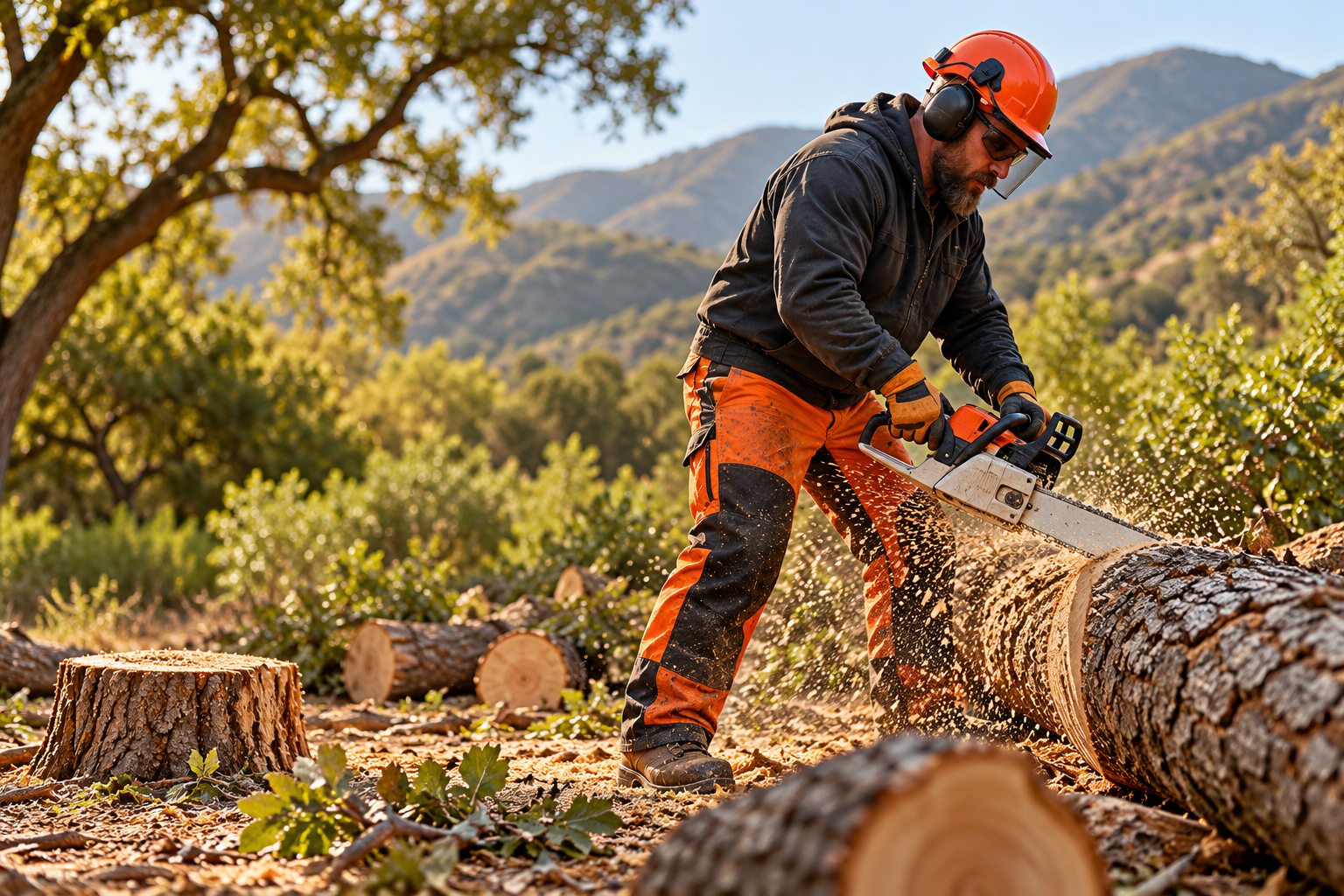
Be clear about what is removed—and what remains. A removal estimate should identify the tree, property access, debris handling, and whether stump grinding is included. We review those details with you so the agreed work fits the site and your plans for the space.
A large tree, a lean, or surface roots alone do not tell the whole story. Tree condition, surroundings, and the consequences of failure matter. We review the situation before discussing the appropriate next step.
Removal may be appropriate when a tree is dead, presents an unacceptable risk, or cannot reasonably remain in its location. Where suitable, selective pruning or another management approach may be considered.
Check the responsible agency. Glendale and La Cañada Flintridge have protected-tree rules. Other locations may have different requirements. Confirm ownership and any permits or approvals before scheduling work.
Plan the access. Tell us about gates, steep areas, shared driveways, neighboring property, and overhead lines. Equipment and the work area must suit the site.
Decide what comes next. If you want to landscape the area, discuss stump grinding, debris handling, and any remaining roots during the estimate.
The tree: height, trunk size, condition, branch spread, and the amount of material to handle.
The site: narrow gates, slopes, parking, equipment access, and nearby structures or landscaping.
The agreed work: removal method, debris hauling, stump grinding, timing, and any required approvals.
Ask which items are included and which are separate. We assess the property before confirming the estimate and expected schedule.
Our Glendale Eucalyptus Tree Removal project shows removal work in a residential backyard, including equipment access and handling the tree in sections.
See another example in our Tall Tree Removal Residential project, or explore more of our work.
We provide tree removal services across the foothill communities below. Tell us about your location, gates, parking, and any hillside or access restrictions when you contact us.
Requirements depend on your city or county, tree ownership, species, size, and the proposed work. Protected private trees and street trees may have special rules. Check with the responsible agency before work begins; do not assume a tree is exempt because it looks dead or damaged.
The estimate depends on tree size and condition, access, slopes, nearby structures, removal complexity, equipment, debris handling, and any stump work. An onsite visit helps us define the scope rather than quote a generic price.
Tree removal and stump grinding are different tasks. Discuss whether stump grinding is included in your estimate. Grinding does not remove every underground root, and plans for the area may affect the scope.
Access and the available work area affect the plan. We review gates, paths, slopes, structures, and equipment access before confirming a suitable approach. Share these limitations when requesting your estimate.
Timing depends on the tree, site access, equipment needs, weather, approvals, and the agreed scope. We discuss expected timing after assessing your property rather than promise the same duration for every job.
Confirm debris handling and cleanup as part of the estimate. If you want some wood retained, tell us before work is scheduled so the quantity, location, and handling can be discussed.
Keep people and pets clear of damaged or fallen trees and call us to discuss the situation. Contact emergency services for immediate danger. If electrical lines are involved, stay away and contact the electric utility; do not touch the tree or wires.
Once the scope is agreed, ask about parking, access, moving vehicles or outdoor items, and keeping people and pets out of the work area. Let us know about irrigation, nearby landscaping, boundaries, and any known underground services if stump work is planned.
Share the tree’s location, your concerns, and any access restrictions. Photos help us understand the situation, but an onsite assessment may be needed to confirm the scope, timing, and estimate.
For urgent tree concerns, call us directly. If there is an immediate threat to people, contact emergency services. Keep clear of fallen trees and electrical lines.